The Charm of Line Animation of a 4 Leaf Clover
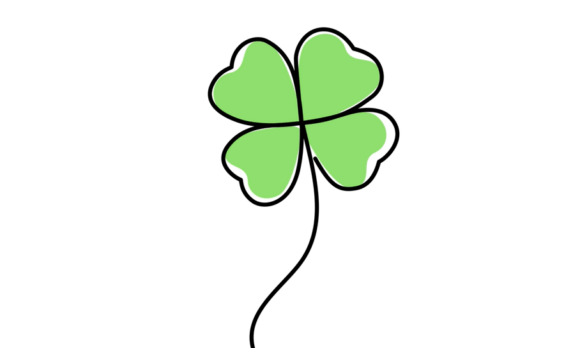
There is a specific kind of visual magic that happens when simplicity meets storytelling. We are used to seeing complex 3D renders and high-definition video, but sometimes the most engaging content is the minimalist single line animation of a 4 leaf clover growing. It is a style that captures attention not through noise, but through fluidity. In the world of digital assets, this specific type of animation—often rendered in crisp 4K resolution on a stark white background—has become a staple for designers, marketers, and content creators looking to inject a bit of organic life into their projects without overwhelming the viewer.
The concept is straightforward: a continuous line draws itself, looping and curving to form the familiar lucky charm. Yet, the execution requires a keen eye for motion design. When you watch a Line Animation of a 4 Leaf Clover, you are witnessing the intersection of illustration and kinetic typography. It moves with a rhythm that feels almost handwritten, mimicking the way a pen might naturally flow across paper. For the adult creative professional, this isn't just a holiday graphic; it is a versatile design asset that speaks to growth, nature, luck, and precision.
Why Minimalist Motion Resonates with Modern Audiences
We live in an era of information overload. As marketers and publishers, our job is often to cut through the clutter. This is where the appeal of the minimalist single line animation shines. It does not demand a massive cognitive load from the audience. Instead, it invites them to watch a process unfold. The visual personality of this animation style is clean, sophisticated, and organic. It strips away the shadows, gradients, and textures found in realistic designs, leaving only the essential skeleton of the shape.
For a small business owner or a blogger, using this style of animation signals an understanding of modern typography and current design trends. It feels contemporary. Whether you are building a brand identity for a wellness startup or crafting social media graphics for a lifestyle brand, the line art style fits seamlessly into a minimalist aesthetic. It pairs exceptionally well with clean sans serif font families, creating a visual hierarchy that is easy to digest. The animation acts as a focal point, drawing the eye in before the viewer scans the accompanying text.
Practical Applications for Designers and Entrepreneurs
So, where exactly does a Line Animation of a 4 Leaf Clover work best? The applications are broader than one might initially think. It is not limited to St. Patrick's Day campaigns. Because of its abstract nature, it can represent growth, sustainability, or organic ingredients.
- Digital and Web Design: In web design, loading screens are often a missed opportunity. A subtle clover animation can keep users engaged while the page content loads. It also works beautifully as a background element on a landing page, adding movement without distracting from the call to action.
- Branding and Logo Design: For companies focusing on health, gardening, or luck-based gamification, this animation can be adapted into a dynamic logo design or favicon. A moving logo instantly elevates the perceived value of a brand, suggesting that the company is active and modern.
- Publishing and Editorial: If you are an editorial design professional working on digital magazines or newsletters, this animation can serve as a transition graphic between sections. It breaks up long blocks of text and gives the reader's eyes a moment to rest while maintaining the flow of the page.
- Packaging and Print: While the asset itself is digital, the 4K resolution ensures it can be converted into high-quality still frames. For packaging design, a frame from the animation can be used as a spot UV element or a foil stamp, adding a tactile sense of luxury to the physical product.
Integrating Animation into Your Visual Hierarchy
One of the most common questions I hear from clients is how to use motion without making their designs look chaotic. The answer lies in visual hierarchy. A minimalist single line animation should support your message, not scream over it. When you place the growing clover on a white background, it creates negative space. This "breathing room" is crucial for readability.
Consider the psychology of the viewer. A line drawing feels personal and human-made, somewhat akin to a script font or handwritten font. It evokes a sense of authenticity that rigid geometric shapes often lack. When you combine this animation with a strong headline in a display font, you create a powerful pairing. The animation draws the eye, and the typography delivers the message. This combination influences how the audience perceives the brand—as approachable yet professional.
Choosing and Evaluating Your Design Assets
Not all animations are created equal. When sourcing a Line Animation of a 4 Leaf Clover, particularly if you are looking for a premium font or asset package, you need to evaluate the technical specs. Look for vector-based animations or high-bitrate video files that support 4K resolution. This ensures that whether you are viewing it on a mobile phone or a 27-inch monitor, the lines remain crisp and jagged-free.
Here are a few practical tips for implementation:
- Check the Loop: Ensure the animation loops smoothly if you intend to use it as a background video. A jarring jump at the end of the cycle can ruin the professional feel of your project.
- Evaluate Color Control: The best assets allow you to change the line color easily. You want to be able to match the animation precisely to your client's or your own brand color palette.
- Test on Dark Backgrounds: While the prompt specifies a white background, test the animation on dark mode layouts as well. Line art often looks stunning in white on a charcoal or navy background, offering a different mood for evening-themed events or luxury branding.
The Role of Typography in Motion Graphics
When pairing text with a Line Animation of a 4 Leaf Clover, typography choice is critical. Because the animation is organic and fluid, you generally want to avoid overly rigid or "stencil" style typefaces for the main body text. A clean sans serif font usually works best for readability, allowing the animated clover to remain the star of the show.
However, if your brand personality is more whimsical, you might explore a serif font with high contrast for a touch of elegance, or a creative font that complements the hand-drawn nature of the animation. The key is consistency. If the animation suggests a natural, growing process, your typography should feel breathable and open. Tight kerning and heavy weights can sometimes fight against the lightness of a line drawing.
Commercial Licensing and Professional Standards
Finally, we must address the business side of design assets. Whether you are a freelance designer or an agency, respecting commercial font and asset licensing is non-negotiable. If you download a Line Animation of a 4 Leaf Clover, verify the license. Can it be used in a logo for a client? Can it be used in merchandise?
Using assets with proper licensing protects you and your clients from legal headaches down the road. It also supports the creators who spend time perfecting these modern typography and motion design resources. Treat these assets as you would a premium stock photo or a licensed typeface—it is an investment in the quality of your final product.
In conclusion, the minimalist single line animation of a 4 leaf clover is more than just a festive clip. It is a versatile tool for visual communication. It brings energy to static pages, personality to brand identities, and clarity to complex layouts. By understanding its strengths and applying it with strategic intent, you can elevate your creative projects and connect with your audience on a more dynamic level.